

5 Ways Interactive 3D Product Models Reduce E-commerce Returns
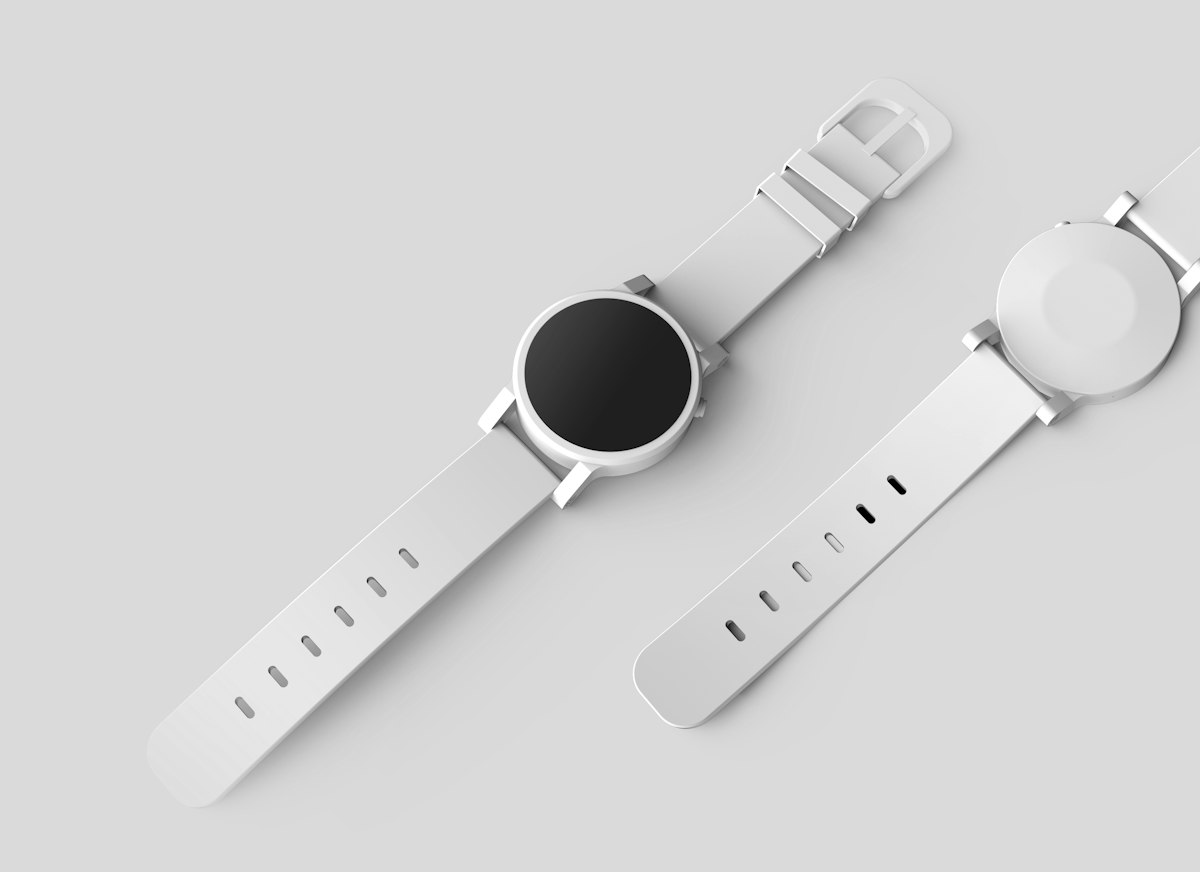
5 Ways Interactive 3D Product Models Reduce E-commerce Returns
Ask any D2C founder or marketplace seller about their biggest headache, and returns will come up within the first five minutes. Every return costs you twice: once in reverse logistics, and again in lost margin, repackaging and sometimes a product that can't be sold as new.
Most of these returns trace back to one gap. The product that arrived wasn't the product the shopper imagined. The kurta was a different shade, the sofa looked smaller in the living room, or the mixer grinder didn't work the way they expected. That's a visual communication problem, and it's exactly where interactive 3D product models help.
Here are five ways they cut returns, based on what we've seen at Aadhya Animatics when brands move from flat photos to 3D.
Why photos alone leave gaps
A typical listing on Amazon, Flipkart or Myntra has five to eight photos. They're usually shot from flattering angles under perfect lighting, and they can't answer every question a shopper has. What does the back look like? How deep is it? Where exactly is the charging port? Does that fabric have a sheen, or is it matte?
In a store, people answer these questions by picking the product up and turning it over. Online, they guess. And every guess is a potential return.
An interactive 3D model lets shoppers rotate, zoom and explore the product on their own terms. It's the closest thing to holding it in your hand.
1. Shoppers see true size and proportion
Size mismatch is one of the most common return reasons in furniture, home decor, bags and electronics. A dimensions table is easy to skim past and hard to picture, especially when the shopper thinks in feet and inches and the listing says centimetres.
A 3D model can show the product next to familiar reference objects, or place it in the shopper's own room through augmented reality on their phone. When someone sees a three-seater sofa sitting in their actual 2BHK living room before buying, the "it looked bigger online" return goes away.
2. Every angle and detail is visible
With photos, the seller decides what the buyer sees. With a 3D model, the buyer decides.
Shoppers can spin a sneaker to check the heel, zoom into the stitching on a handbag, or look under a chair to see how the legs attach. Products with hidden features, like the inside of a trolley bag or the ports on a laptop stand, benefit the most.
When nothing is hidden, there are fewer surprises at the doorstep.
3. Colours and materials look accurate
"Colour is different from the picture" is a return reason almost every fashion and home brand in India knows by heart. Photos change with lighting, camera settings and editing, and the result can drift from the real thing. Ask anyone who has ordered a silk saree online and found the zari looking quite different in daylight.
In 3D product modelling, materials are built with physically based properties. Leather, brushed metal, matte plastic, glossy ceramic and woven fabric each react to light the way they do in real life. Shoppers can also switch between colour variants on the same model, so they compare shades side by side instead of across separate photos shot on different days.
4. Shoppers understand how the product works
Some returns have nothing to do with looks. The buyer simply didn't understand how the product worked, how to assemble it, or whether it suited their use.
This is where 3D product animation earns its place. A short animated sequence can show a baby stroller folding flat, a modular sofa rearranging, a mixer grinder's jars locking in and coming apart for cleaning, or a gadget's internal mechanism at work. Interactive hotspots on the model can explain each feature right where it sits on the product.
When a shopper understands the product before buying, they're far more likely to keep it.
5. Confident buyers keep what they buy
The last effect is psychological. When shoppers have explored a product properly, they commit to the purchase with more certainty. That cuts down on "bracketing", the habit of ordering two or three sizes or colours and sending most of them back. It can help with RTO on cash-on-delivery orders too, since a buyer who is sure about the product is less likely to refuse it at the door.
Confidence shows up in reviews as well, because expectations match reality. Better reviews bring in better-matched buyers, who return less. Over a few months, that cycle starts working in your favour.
What it takes to build a good 3D product model
A 3D model only reduces returns if it's accurate. A pretty but wrong model just creates a new kind of "not as shown" complaint. Here's roughly how we approach it:
- **Reference gathering.** We work from the physical product, CAD files, or detailed photos and measurements.
- **Precise modelling.** Proportions and details have to match the real item exactly, down to the stitching and screw heads.
- **Realistic materials.** We check surfaces under different lighting setups so colours and textures stay true.
- **Web optimisation.** Models are compressed to load quickly on mid-range Android phones and patchy 4G, without losing the detail that matters.
- **Variants and animation.** We add colour options, configurations and short explainer animations wherever they help the buyer decide.
Where interactive 3D makes the biggest difference
In our experience, these categories gain the most:
- Furniture and home decor
- Consumer electronics and accessories
- Footwear, bags and eyewear
- Kitchen and home appliances
- Jewellery and watches
- Industrial and B2B products sold online
If your returns are driven by size, colour, fit or confusion about how something works, 3D is worth testing.
How to roll it out without a huge budget
You don't need to convert your whole catalogue on day one. Here's a sensible way to start:
1. Pull your return data and find the ten products with the highest return rates. 2. Check the return reasons. Look for size, colour, "not as described" and "didn't understand the product" patterns. 3. Build 3D models for those products first. 4. Compare return rates and conversion before and after over a few months. Try not to judge it on a Big Billion Days or Great Indian Festival week alone, since sale-season shopping skews the numbers. 5. Expand to the next set of products based on what you learn.
The same 3D models can also feed your ads, Instagram Reels and product videos, so the investment keeps paying off well beyond the product page.
Final thoughts
Returns aren't only a logistics problem. Most of them start with a gap between what the shopper saw and what turned up at their door. Interactive 3D product models close that gap by letting people explore products the way they would in a store.
At Aadhya Animatics, we're a 3D modelling company in Bangalore building detailed 3D product models and 3D product animation for e-commerce brands across India and beyond. If returns are eating into your margins, send us your catalogue. We'll go through it and tell you honestly where 3D will make the biggest difference, and where it won't.
Frequently asked questions
**Do 3D product models slow down my website?** Not when they're built properly. Optimised models are compressed to load fast on mobile and desktop, and they can be set to load only when the shopper taps to view in 3D.
**Can shoppers view 3D models in augmented reality?** Yes. Most modern Android phones and iPhones can place a 3D product in the shopper's own space using AR, which is especially useful for furniture and decor.
**Do I need CAD files to get a 3D model made?** CAD files help, but they aren't required. We can build accurate models from the physical product or from detailed photos and measurements.
**Can the same model be used for ads and videos?** Yes. One accurate model can be reused for product videos, social ads, website banners and marketplace images.
**Can I add 3D models to my Shopify store or website?** Yes. Shopify supports 3D models natively, and most custom websites can embed them with a lightweight viewer. Marketplace support varies, so check what your seller account allows.